
Mr. Wonders has been in the hospital for the past five days after passing a kidney stone and going septic, so we are behind on the posts. He is improving, but all good mojo sent this way is appreciated.
And now, a few garden updates. We do not have our reference books at hand here in the hospital room where we have been tending the Mr., but we will do what we can from memory and a cautious ramble through the internet.

The thornless blackberries are still blooming, and fruit is setting. It looks like we will have plenty for fresh eating and some to freeze for later. Once September arrives and the berries lose their flavor, we will cut the vines back.
Blackberries are loaded with vitamins and antioxidants. The leaves have been used medicinally for their astringent properties. Our thornless canes are easy to pick, but blackberry thorns are useful in protection work.
The Butterfly Weed is in bloom. This ornamental milkweed usually comes in orange or yellow, and as the name suggests, is attractive to butterflies. While attracting butterflies, it can also attract positive energy and vitality to the garden. As with all milkweeds, be careful of its sap, which can cause a rash in some people.


The chamomile is also in bloom, an herb that many people know as an ingredient in herbal teas, especially those for calming frazzled nerves, calming an upset stomach, and inducing sleep. The tea is also useful to sip during meditation. Chamomile is strongly associated with luck and prosperity. Infusions of the chamomile and mint can be used in money spells or sipped while selecting investments.
Pretty, daisy-like Coreopsis is blooming now. Bright yellow is the most common color, but it also comes in reds, oranges, or this butter yellow. Its colors are associated with gold and therefore with money and prosperity magic.

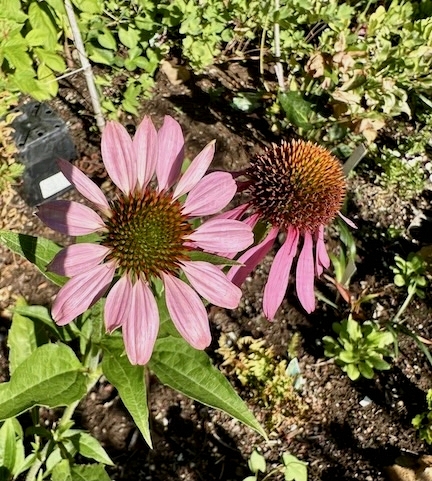
Our new Echinacea plant is in bloom. This herb, used for centuries as medicine, reputedly helps the immune system fight off viruses, though the research supporting that claim is scant. The flowers attract bees and butterflies, which is beneficial to the whole garden. The flower is also reputed to add powerful energy to spellwork.
The first tomatoes are turning red. We usually grow paste and sauce varieties to dry and pack in olive oil for “sun-dried” tomatoes. The red pigments (lycopenes) in tomatoes are strong antioxidants. Tomatoes originate in Mexico, where they were cultivated by the Aztec civilization and other groups. When introduced to Europe, they were believed to be either toxic, or an aphrodisiac.

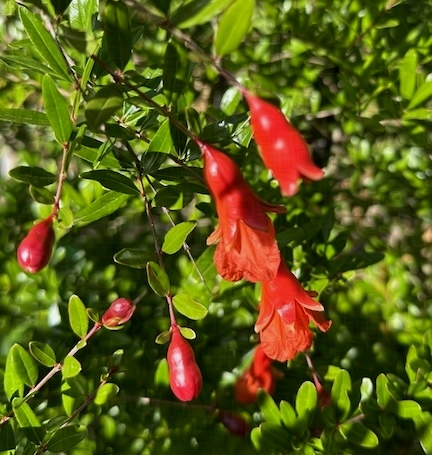
Our hardy pomegranate is in bloom, to the delight of the hummingbirds, which bring color and joy to the garden. The fruits are little more than an inch across, but never get ripe in our climate. Once dry, they can be used in winter holiday decor as symbols of wealth and abundance. Spray paint them silver or gold if you like.
Beautiful blue mop head Hydrangeas are nostalgic for us, since our grandmothers grew them. The old-fashioned Nikko Blue is pH sensitive, blooming blue in acid soil and pink in alkaline soil. Modern varieties tend to have more stable colors. Hydrangeas have many meanings across different cultures. In HooDoo traditions, the roots and bark are used to uncross hexes.


We like to buy Lantana and plant it in pots for the summer. In our climate it is grown as an annual, since it is not frost-hardy. Butterflies adore it, and hummingbirds will also try for nectar, though the flower tubes are rather narrow for their beaks. Lantana is native to tropical regions of the Americas, where it thrives on poor soil, which is why it symbolizes resilience.
Our native Milkweeds (Asclepias sp.) are blooming. We haven’t seen any Monarch butterflies in the garden, but we keep hoping, with more neighbors growing their own milkweed. The sap can be irritating, but the fluff from the pods has been used for stuffing, and can be used in poppets. Like dandelion fluff and thistledown, the seeds with their downy fluff have long been cherished by children to make wishes on and blow away. Milkweed has long been used in medicine — it is named for the god of healing, after all — but consult herbalists before using because it is mildly toxic.


Our beloved Peace Rose, a hybrid tea, is in full bloom, its apricot scent wafting on the breeze. Our grandmother grew this variety, whose name became a symbol of hope during the second World War. Roses have many used in magic and medicine, some of which we described in a post last month.
Several pumpkin vines sprouted as volunteers in pots where some decorative pumpkins sat last fall and finally succumbed to weather and squirrels. We’re looking forward to seeing what sort of fruit they bear. While most pumpkins are too watery to make good pies and custards, there are a few dry-fleshed varieties. Most of what is sold as canned “pumpkin” is actually squash. We prefer roasted Butternut squash for our “pumpkin” pies.


You must be logged in to post a comment.